
Anthony E. Kemp (January 2, 1934, July 8, 2026), music education scholar, music psychologist, organist and chorister
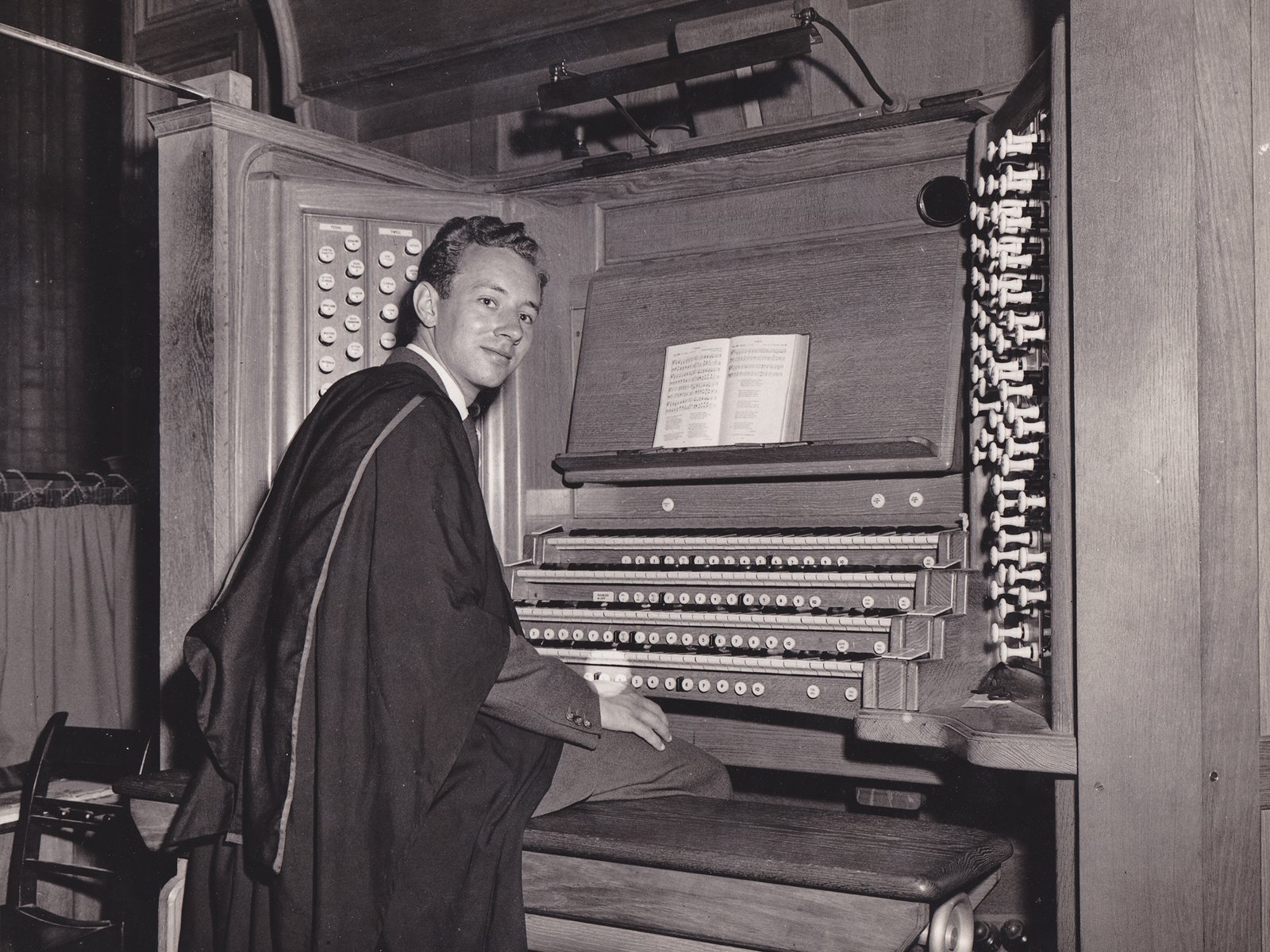
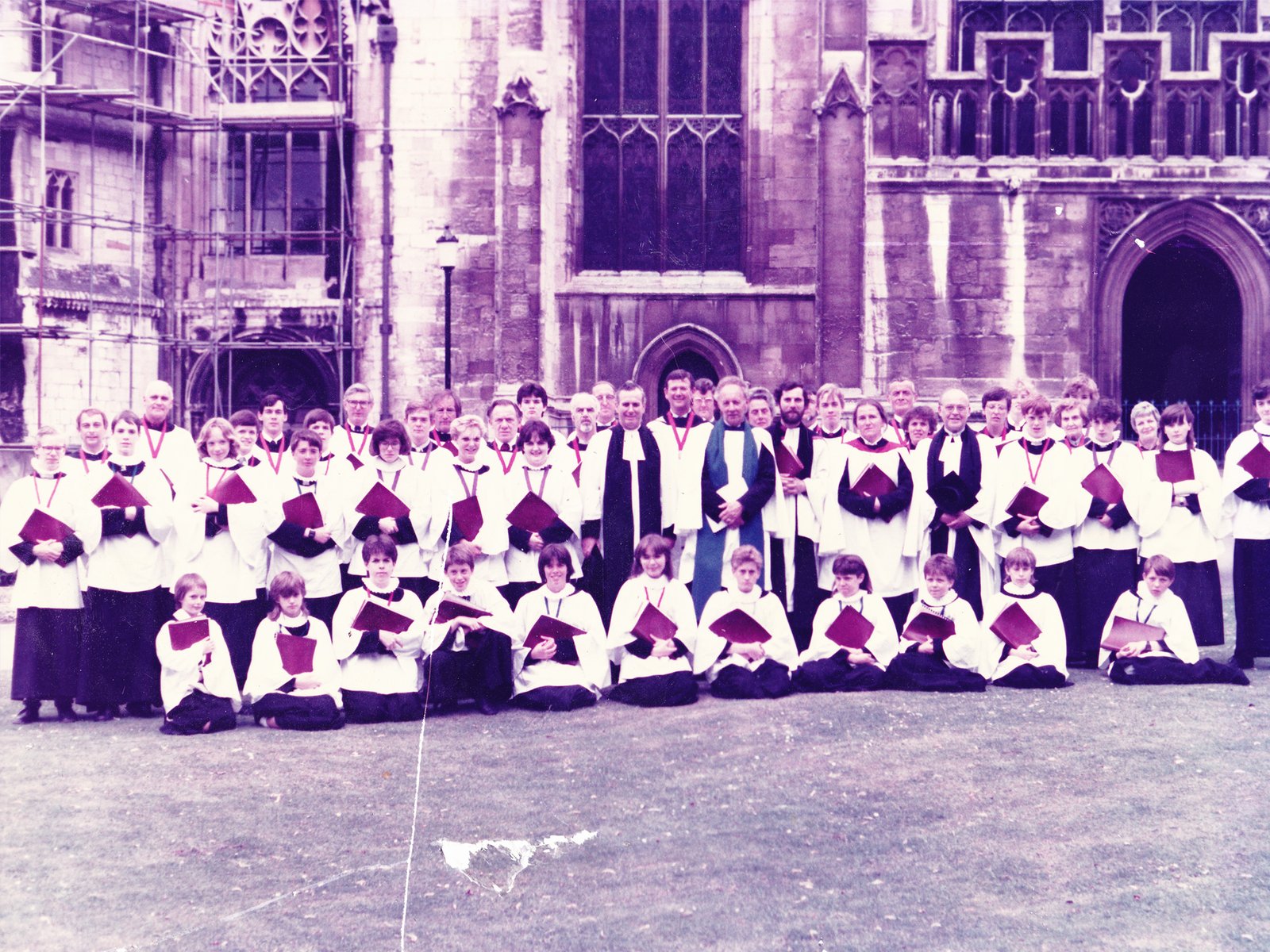
A genuine pursuit for asking interesting questions about how and why we come into music, a longing for forming questions that will upset our certainties and make us think again, a love for the child as a rich and multidimensional human being, and a longing for connecting people from the world over, forming communities that would pursue the task of asking those interesting questions in and through music education research; these were what mattered most for hony E. Kemp (January 2, 1934, July 8, 2026), music education scholar, Professor of Music Education at Reading University, musician, music psychologist, and in the last part of his life, dedicated priest. Tony Kemp has been a leading voice in the world of music education, particularly in the last quarter of the 20th century, a scholar whose legacy will continue to grow in the years to come. An accomplished organist and chorister, Tony Kemp obtained an MA in the field of the psychology of music from Sussex University in 1971, and a doctorate in 1979, also from Sussex University. Kemp came to the University of Reading in 1973, and in 1978 he became director of its Music Education Centre. He passionately argued that is if “music is for all children, [then] it must be for all teachers”, a belief that set the basis for Music Consultancy in Primary Schools project that took place in the early 1980s, followed by a second pioneering project that focused on the creative use of microtechnology in music education (1984).
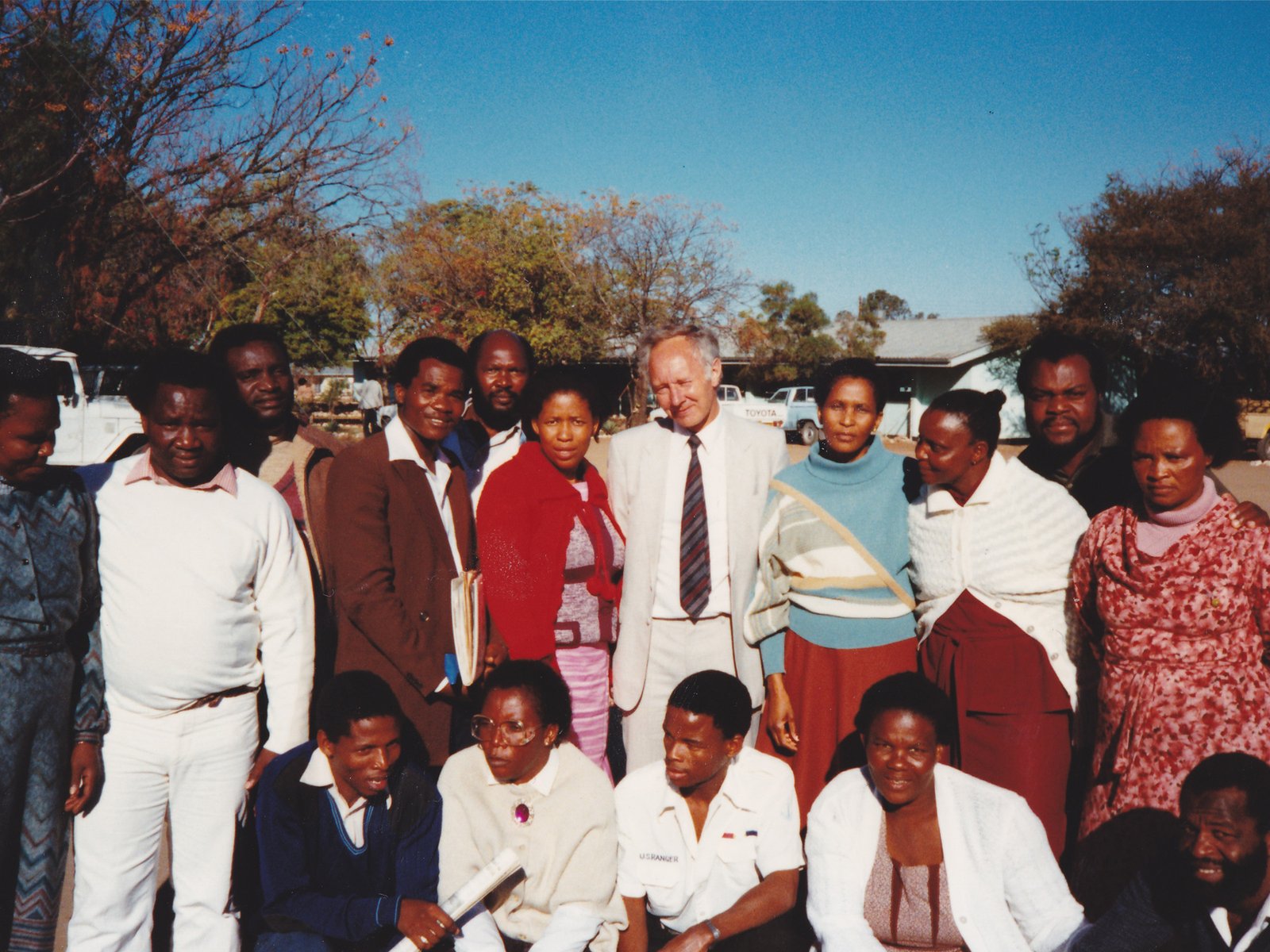
Kemp was vehemently dedicated to the pursuit of open-minded and careful research, never avoiding to confront the ethical dilemmas that one always faces when grappling with slippery notions such as ‘musical talent’. His work at Reading University sought to pursue such a vision of music education research through the establishment (1995) of the renowned International Centre for Research in Music Education (ICRME), a research nucleus that attracted a host of diverse young researchers from all over the world. Kemp envisioned a centre that would maintain strong connections with the international music education community, particularly with ISME, the International Society of Music Education, building on the tradition set up by Arnold Bentley, who, in 1968, had convened the First International Seminar on Research in Music Education at the University of Reading, thus founding the first ISME Commission. As part of this endeavour, Kemp acted (together with Jack Dobbs) as co-editor of the International Journal of Music Education [IJME] (1987-1998) significantly contributing to the establishment of the journal as a leading publication in the field.
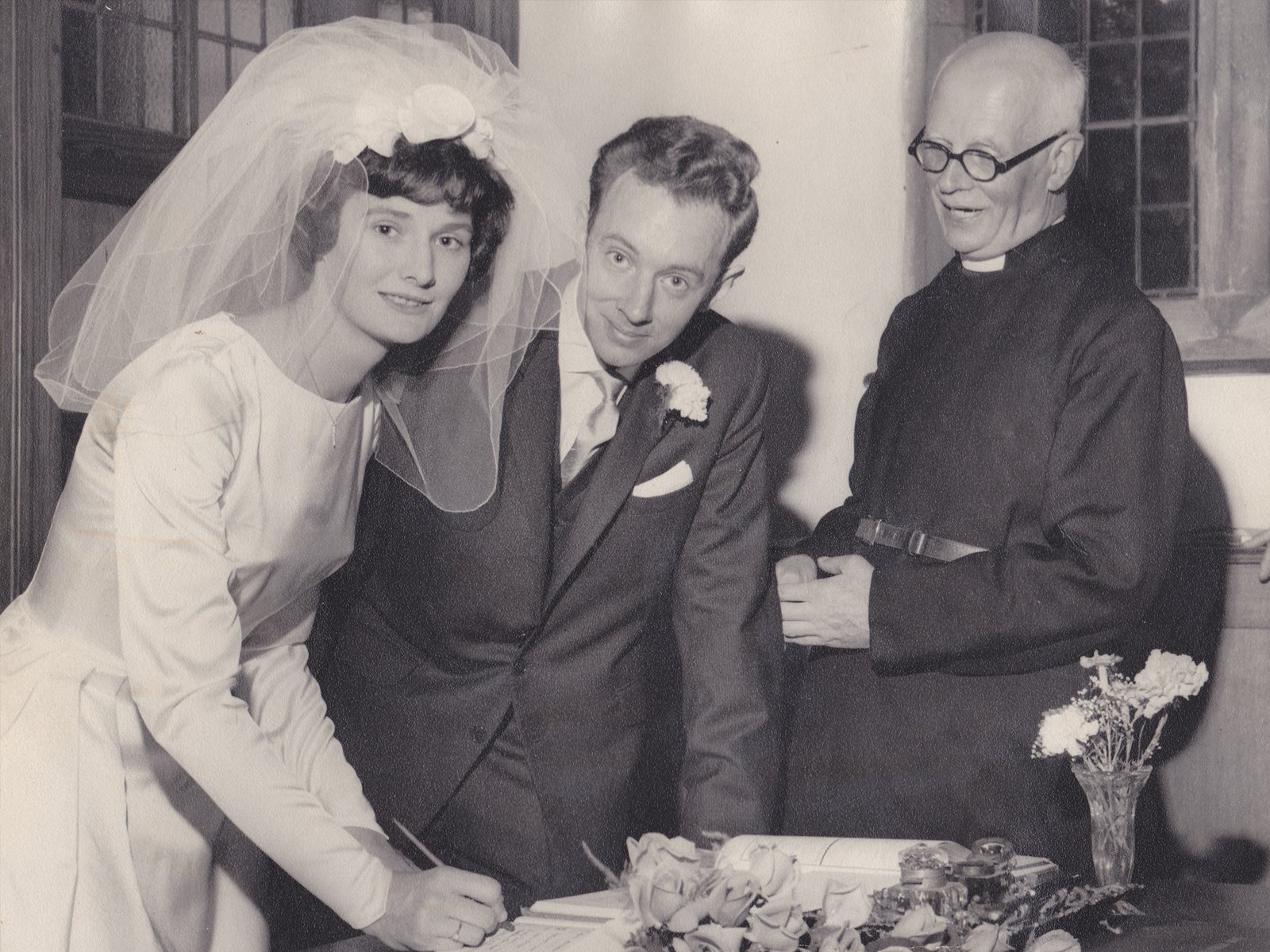
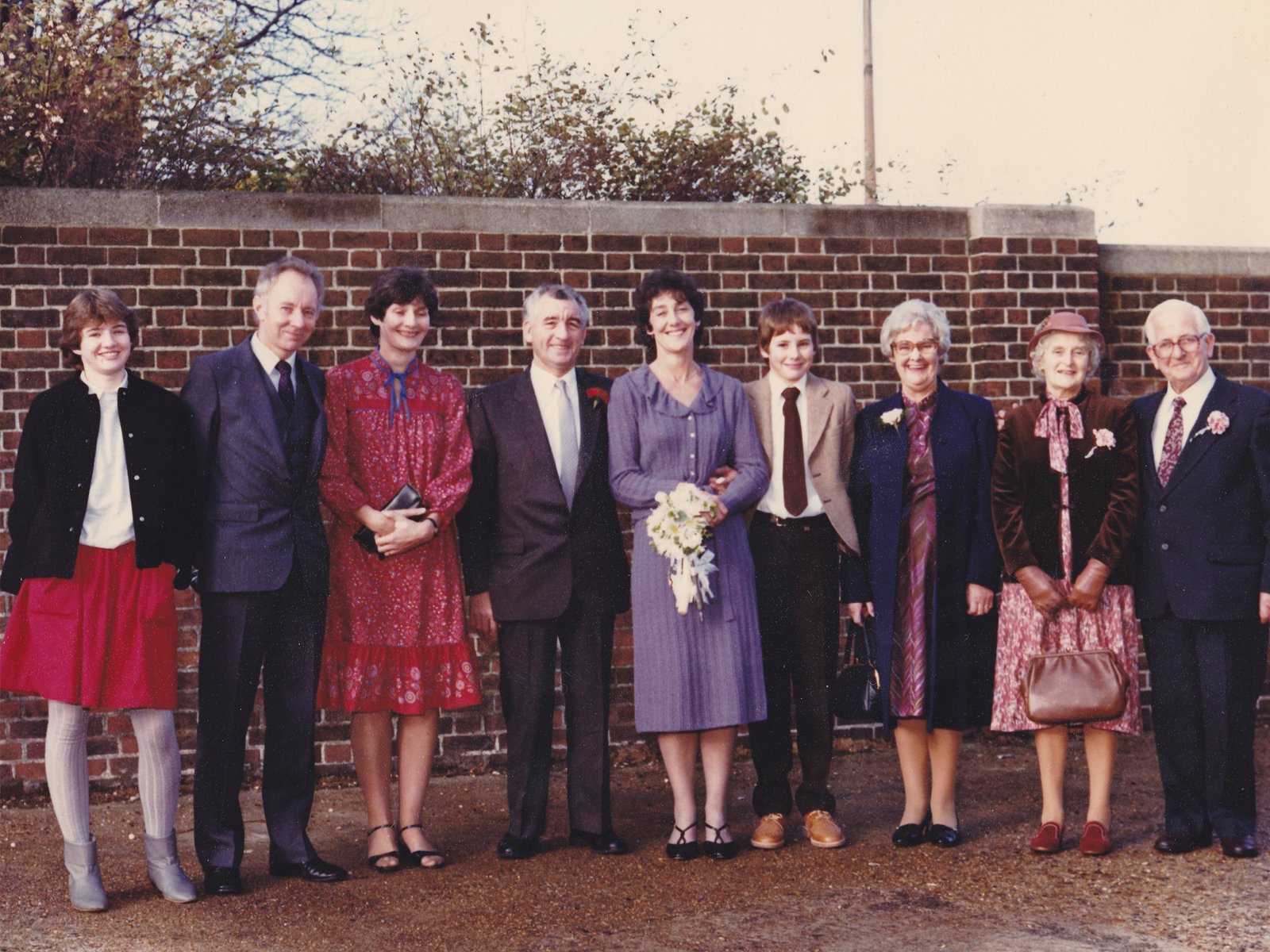
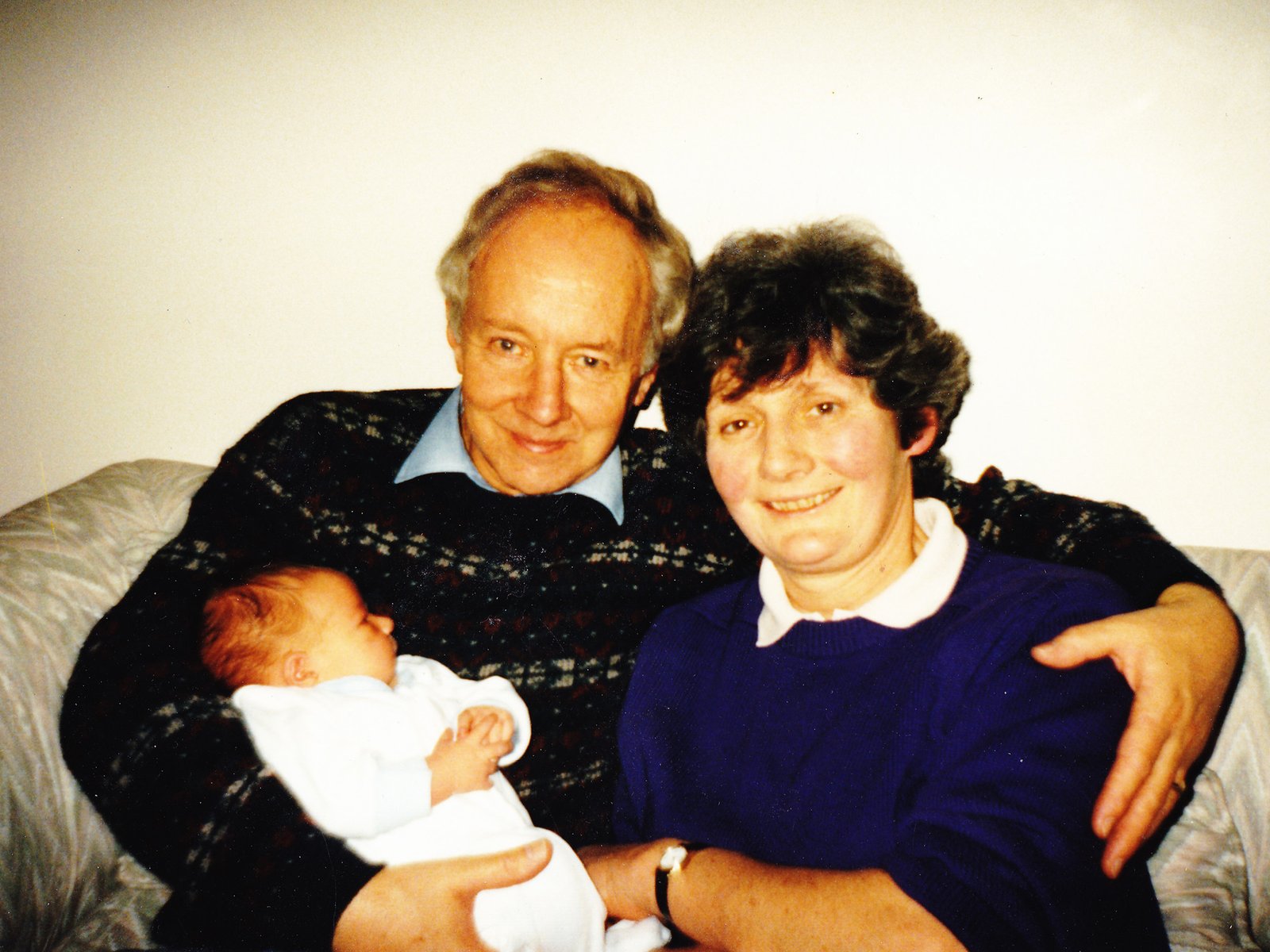
Tony Kemp knew very well that the pursuit of truth through research can only flourish through diverse research perspectives that are allowed to develop their distinct pathways, slowly and carefully. His work on the personality of musicians that culminated in the publication of his seminal book, The Musical Temperament (OUP, 1996) constitutes a concrete and wonderful example of such careful work. Committed to diversity, however, he often put his own work on the side to allow other voices to come in. One needs only tο look at the list of authors and the contents of his two edited volumes published as part of the ISME Research Commission Series - Research in Music Education: A festschrift for Arnold Bentley (1988) and Some Approaches to Research in Music Education (1992) - that constitute some of the first and pioneering publications embracing and promoting research diversity in music education. “Good research arises out of good research questions” he always said, adding that diversity is the key, if one is to pursue the mysteries of musical experience and education in their fullness and totality. This dedicated stance led him to encourage his many research students at Reading to work hard in order to discover and shape their own distinctive research voices. He did so in such a generous, sensitive, gracious, and deeply thoughtful manner, and I now regret that, at times, the arrogance of our inexperience as young researchers led some of us to unduly criticise what we then saw as an excessively ‘positivist’ approach to research; I, for sure, certainly failed, at that time, to grasp the potential of his effort to bring psychodynamic perspectives in dialogue with empirical social psychology research, guided by Deryck Cooke’s thesis that music is “the most articulate language of the unconscious” (1959, p. x) and therefore should have a distinctive and unique place in the education of the young. The informed openness that shaped his vision will continue to enlighten music education researchers and teachers. Tony Kemp is survived by his wife Valerie, his children Alison and David, his grandchildren Daniel and Bean and his great grandson Felix, for whom he had been a father, grandpa, great grandpa, a mentor and a friend.
Panagiotis A. Kanellopoulos, Department of Music Studies, Aristotle University of Thessaloniki
Panos Kanellopoulos, a former student and close friend has written an acedmic obituary for Tony. Please read it here.
Panos Kanellopoulos, a former student and close friend has written an acedmic obituary for Tony. Please read it here.